
Closing a pool can look deceptively simple.
Clean the water, add whatever closing products you normally use, shut down the equipment, put on the cover, and forget about it until spring.
The problem is that your pool doesn’t stop changing just because you can’t see it.
Water chemistry still matters. Debris can still create problems. Equipment needs to be prepared correctly for freezing conditions. And a pool that goes into the off-season with an unresolved problem can give you an unpleasant surprise when the cover comes off.
For Vancouver pool owners, a good closing isn’t about doing as much as possible. It’s about doing the right things for the particular pool, equipment, and winter conditions.
The team at Rose City Pool & Spa can help homeowners prepare their pools for the off-season without relying on shortcuts that may create more work in spring.
Myth: “Once Labor Day Is Over, I Should Close the Pool”
Labor Day isn’t an expiration date for your swimming pool.
There can still be perfectly usable swimming weather after the holiday, and closing while the water remains warm can create its own challenges.
Warmer water generally supports more biological activity than colder water. If you close too early while conditions still favor algae growth, you’re asking your sanitizer and closing preparation to carry the pool through that transition beneath a cover.
Instead of choosing a closing date months in advance, consider what the pool is actually doing.
Are you still swimming?
What is the water temperature?
Is debris becoming difficult to manage?
Are you willing to continue testing and maintaining the water?
The answers tell you more than the calendar does.
Myth: “If the Water Is Clear, It’s Ready to Close”
Clear water is encouraging, but clarity alone doesn’t tell you whether the water is properly balanced.
A pool can look beautiful while its chemistry is outside the recommended ranges.
That’s important because the water will remain in contact with pool surfaces and equipment during the off-season. Depending on the pool and chemistry, improperly balanced water can contribute to scaling, staining, or other problems.
Closing should begin with testing—not simply looking across the pool and deciding the water appears clean enough.
This is also a good opportunity to deal with any algae or persistent cloudiness before the cover goes on. Hiding a water-quality problem for several months doesn’t make it disappear.
Myth: “I’ll Just Add Extra Chemicals to Be Safe”
More isn’t automatically better.
This is particularly important with pool chemicals, where the correct treatment depends on the product, water volume, current test results, pool surface, and closing procedure.
Guessing with larger doses can create a different imbalance instead of providing additional protection.
Follow the product label and the recommendations appropriate for your pool. If you’re uncertain about the chemistry or closing procedure, professional pool service is a better option than improvising with additional chemicals.
Myth: “The Cover Will Keep Everything Out”
A good cover is enormously useful.
It isn’t magic.
Before installing it, remove as much debris as practical and make sure the cover itself is in appropriate condition. Tears, worn attachment points, poor fit, or other damage can undermine what the cover is supposed to accomplish.
The type of cover matters as well. Different covers have different installation, maintenance, and safety requirements, so follow the manufacturer’s instructions rather than assuming every pool cover works the same way.
And never assume a cover is safe for someone to walk on unless it is specifically designed, installed, and rated for that purpose.
Myth: “I Can Leave a Little Debris. It’ll Be There in Spring Anyway.”
A few leaves may not look like much when you’re closing.
But organic material doesn’t become harmless because the pool is covered.
Leaves, dirt, insects, and other debris can break down in the water over time. That can increase the amount of cleanup waiting for you when the pool is reopened and may contribute to staining or water-quality problems.
Starting with a clean pool gives you a much better starting point for spring.
This is one of those jobs where an extra half hour in September can be worth considerably more than an extra half hour when you’re trying to open the pool next year.
Myth: “Winterizing the Plumbing Is Just Draining Some Water”
This is one area where shortcuts can become expensive.
Water expands when it freezes.
If water remains trapped in vulnerable plumbing or equipment and freezes, the resulting expansion can damage pipes, fittings, pumps, filters, heaters, or other components.
Exactly how a system should be prepared depends on how it is built. That includes plumbing configuration, equipment, pool design, and manufacturer requirements.
This isn’t a good place to copy a generic procedure from a pool that happens to look similar to yours.
A professional closing should account for the actual system being protected.
Myth: “If Something Is Starting to Fail, I’ll Deal With It Next Spring”
Sometimes waiting is perfectly reasonable.
Sometimes it means starting next swimming season with an emergency.
Suppose you noticed a small equipment leak in August. The pool continued operating, so you ignored it. Closing arrives and the leak is still there.
You now have two separate decisions:
Does it affect the closing or winterization process?
And can it safely wait until spring?
Those aren’t questions the calendar can answer.
A technician may determine that a repair is non-urgent and can be scheduled later. That’s useful information. It lets you plan.
What’s less useful is forgetting about the problem entirely and rediscovering it when you want the pool running immediately next year.
Myth: “Closing Is Finished Once the Cover Goes On”
Think of closing as preparing the pool for a period when you won’t be interacting with it every day.
That doesn’t necessarily mean completely ignoring it for months.
Depending on your cover and setup, periodic visual checks during the off-season may be appropriate. You may need to monitor cover condition, accumulated water or debris, and anything else specified by the cover or pool manufacturer.
A damaged or displaced cover discovered early is usually easier to address than one that has been neglected for weeks.
The Goal Isn’t Just Closing. It’s a Better Opening.
A useful way to judge your closing process is to work backward from spring.
What would you like to find when the cover comes off?
Ideally, you want a pool that was cleaned before closing, appropriately balanced, protected according to its equipment requirements, and free from unresolved problems you forgot about over winter.
That doesn’t happen because someone followed the longest checklist.
It happens because the closing was appropriate for that specific pool.
Before arranging seasonal service, you can also check Rose City’s current coupons and specials for available offers.
What About the Hot Tub?
Your spa probably isn’t joining your pool for the winter.
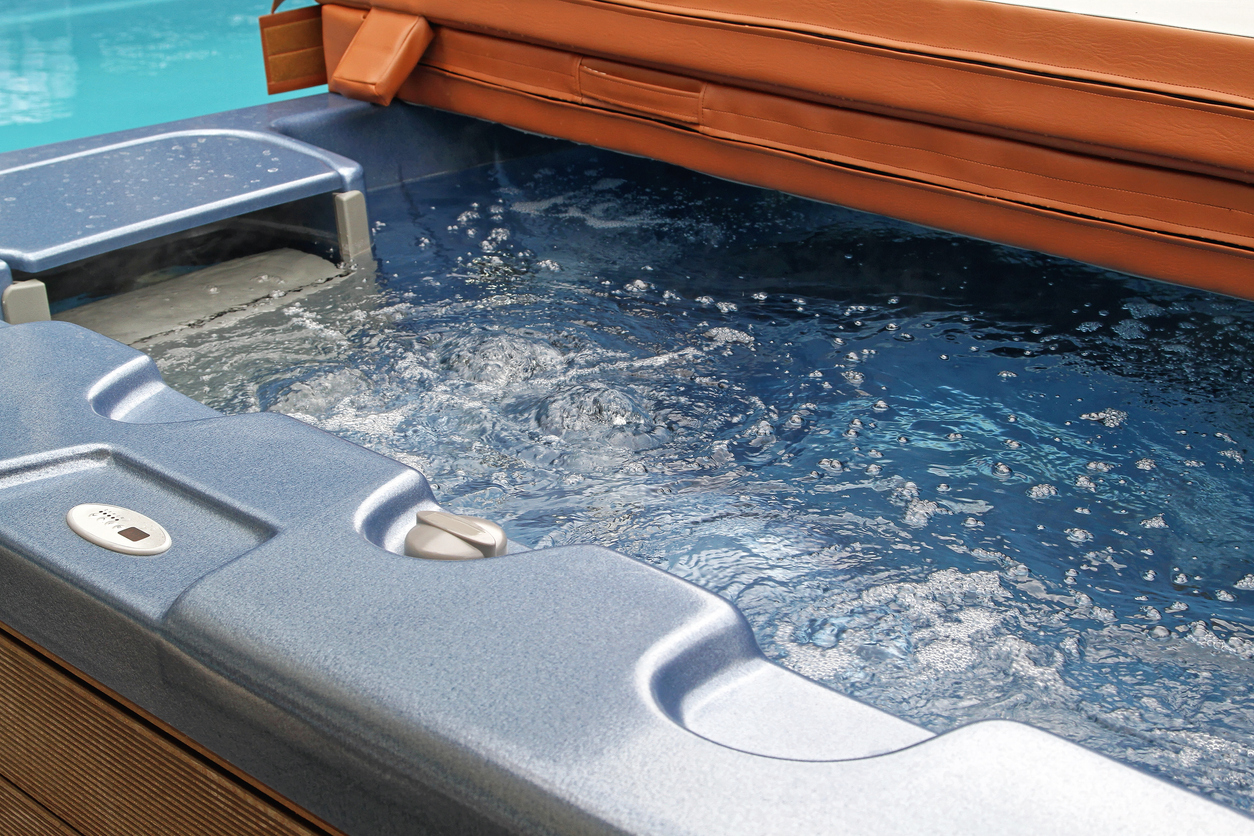
For many Vancouver homeowners, cooler weather marks the beginning of heavier hot tub use. That means the seasonal priorities are almost reversed: while the pool is being prepared for reduced use, the spa needs to be prepared for more.
This is a good time to evaluate the filter, water condition, heating performance, cover, and circulation. If something hasn’t been working quite right, hot tub services can help get the spa ready before colder evenings make it a regular part of your routine.
A Good Closing Should Feel Deliberate, Not Rushed
Most expensive closing mistakes aren’t caused by homeowners who don’t care about their pools.
They’re caused by assumptions.
The water looks clear, so the chemistry must be fine.
The cover is on, so debris can’t matter.
The equipment worked yesterday, so it can wait until spring.
The neighbor closed this weekend, so you should too.
Your pool doesn’t know what your neighbor is doing.
A better closing starts with the condition of your water, your equipment, and the way your system is built. Get those decisions right now, and there’s a much better chance that removing the cover next spring feels like the beginning of swimming season—not the beginning of a repair project.
