
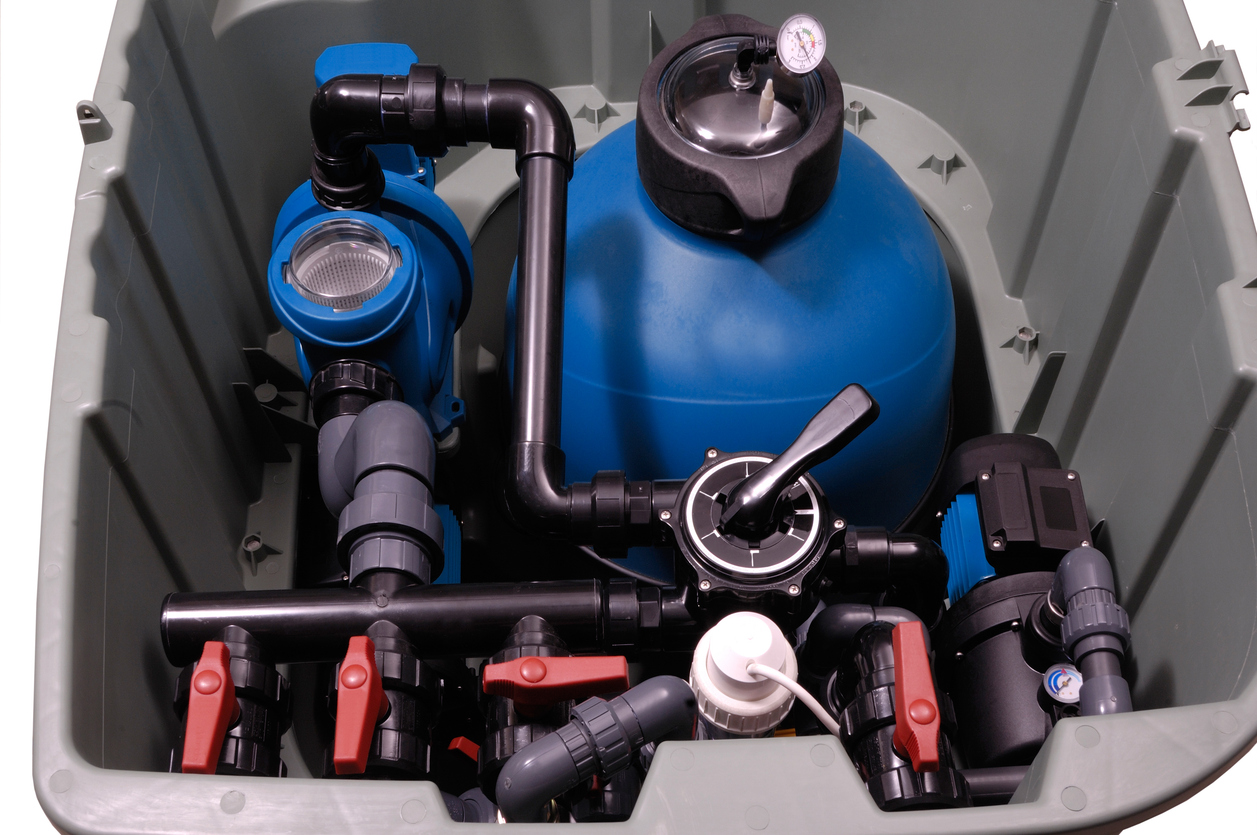
By late July, many Vancouver pool owners start noticing something unusual:
The pool pump never seems to stop.
You hear it running in the morning. It is still running in the afternoon. By evening, it feels like the system has been operating all day.
For homeowners in Felida, Salmon Creek, Fisher’s Landing, and Cascade Park, this often leads to the same question:
“Is something wrong with my pool pump?”
Not necessarily.
July is when pool systems experience their highest workload of the year. Increased temperatures, heavier pool use, more debris, and longer daylight hours all place additional demands on circulation systems.
The challenge is knowing the difference between a pump that is working normally and one that is struggling.

July Creates Maximum Demand on Your Pool System
Throughout spring, pool equipment operates under moderate conditions.
July changes everything.
Pools experience:
- Higher water temperatures
- More swimmers
- Increased sunscreen and organic contamination
- Greater algae pressure
- Longer filtration requirements
As these conditions increase, pumps naturally need to run longer to maintain water quality.
In many cases, extended run times are actually helping prevent larger problems.

Vancouver’s Environment Makes Pumps Work Harder
Different Vancouver neighborhoods create different circulation demands.
Felida and Salmon Creek
Tree cover means pumps must process:
- Pollen
- Leaves
- Seed debris
- Fine organic material
The more contaminants entering the water, the longer filtration systems must run to maintain clarity.

Fisher’s Landing and Cascade Park
Higher sun exposure creates:
- Faster sanitizer breakdown
- Increased algae growth potential
- Greater circulation demand
These pools often require additional filtration time during heat waves.

Properties Near the Columbia River Corridor
Humidity and temperature fluctuations can influence water balance and increase maintenance demands throughout the system.
How Long Should a Pool Pump Run?
One of the most common questions homeowners ask is:
“How many hours should my pool pump run?”
The answer depends on:
- Pool size
- Water temperature
- Usage levels
- Equipment efficiency
- Environmental conditions
During July, many pools require significantly more circulation than they did in May.
A schedule that worked earlier in the season may no longer be sufficient.
Signs Your Pump Is Running Normally
A longer run time is not automatically a problem.
Your pump may be operating correctly if:
- Water remains clear
- Circulation is strong
- Chemical levels remain stable
- The system shuts off according to schedule
In these situations, the pump is simply keeping up with increased summer demand.
Signs Your Pump May Need Attention
Sometimes extended operation is a symptom of another issue.
Watch for:
- Weak return flow
- Reduced circulation pressure
- Unusual noises
- Air bubbles in return lines
- Frequent cycling on and off
- Rising energy costs without improved performance
These symptoms often indicate a system problem rather than normal seasonal operation.
Dirty Filters Are Often the Real Problem
One of the most common causes of pump strain is a dirty filter.
As filters become clogged, circulation becomes restricted.
The result:
- Longer run times
- Reduced efficiency
- Increased energy consumption
- Greater wear on equipment
Many homeowners assume the pump is failing when the real issue is filtration.
Professional pool services near you can quickly determine whether the problem originates with the pump, filter, or circulation system.
Can You Reduce Pump Run Time Yourself?
Sometimes.
Homeowners may improve efficiency by:
- Cleaning filters regularly
- Removing debris promptly
- Maintaining proper water chemistry
- Ensuring skimmers remain clear
However, if the system continues struggling after maintenance, professional inspection may be needed.
What Affects Pool Pump Repair Costs?
If a pump issue develops, repair costs depend on:
- Age of the equipment
- Motor condition
- Electrical components
- Circulation system performance
- Accessibility of the equipment
Some problems involve simple maintenance.
Others may require motor repairs or component replacement.
Homeowners can also review available coupons and specials to reduce seasonal maintenance and repair expenses.
Why Delaying Service Can Become Expensive
A struggling pump rarely fixes itself.
Continuing to operate an inefficient system can lead to:
- Higher electrical costs
- Reduced equipment lifespan
- Poor water quality
- Increased strain on heaters and filters
July is often when small circulation issues become much larger repair projects.
Addressing problems early usually reduces overall costs.
Your Hot Tub/Spa Depends on Proper Circulation Too
Hot tubs and spas rely on circulation systems just as heavily as pools.
Poor circulation can contribute to:
- Cloudy water
- Biofilm buildup
- Chemical instability
- Reduced heating performance
Routine hot tub services near you help ensure spa systems remain efficient throughout the summer.
Don’t Judge Your Pump by Hours Alone
A pump running longer in July does not automatically mean something is wrong.
What matters is how efficiently the system is operating.
Clear water, stable chemistry, and proper circulation are usually signs that the system is doing its job.
But if performance is declining while run times increase, it may be time for a professional evaluation.
Keep Your Pool Running Efficiently This Summer
If your pump seems to be working harder than ever, now is the perfect time to determine whether the system is operating normally or showing early signs of strain.
A professional inspection can identify circulation issues before they become expensive repairs.
To schedule service, explore pool services, review current coupons and specials, or coordinate hot tub services with Rose City Pool & Spa.