
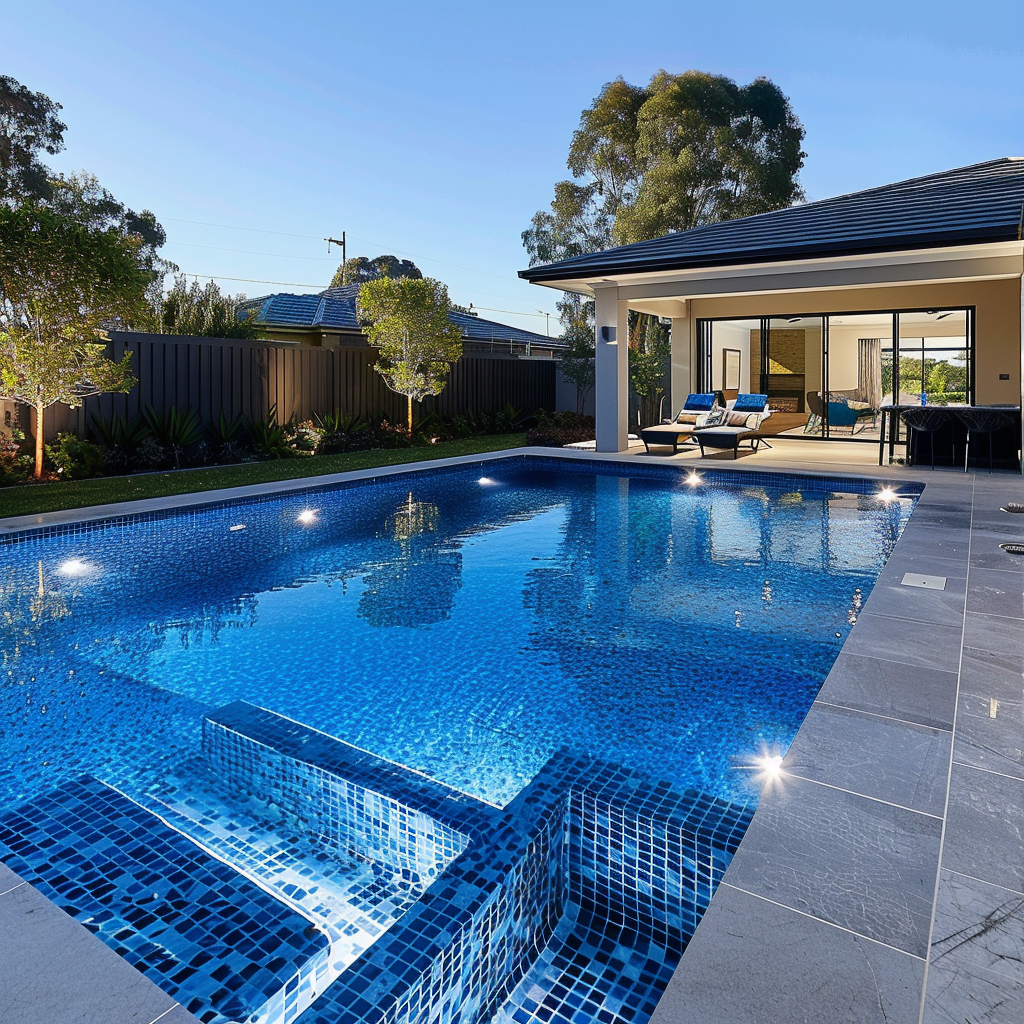
Stand at the top of Scouters Mountain on a clear March afternoon and you can feel it — wind moving up the slope, rain runoff tracing downhill paths, and sun hitting elevated lots differently than it does in the valley below.
Happy Valley is not flat. And that matters.
While Gresham pools respond to clay-heavy soil and flat drainage patterns, Happy Valley pools behave according to grade, elevation, and runoff pressure. March is when those variables become visible again after months of winter saturation.
If your pool or hot tub/spa sits on a terraced lot, near a retaining wall, or on one of the elevated ridgelines near Pleasant Valley, spring does not just warm your water — it changes your hydraulic environment.

Elevated Lots Change Water Movement
Many Happy Valley properties — particularly in neighborhoods near Scouters Mountain, Taralon, and the hillside developments above Sunnyside Road — are built on graded lots.
Unlike flat subdivisions, hillside construction directs water intentionally:
- Down slope
- Around retaining structures
- Toward controlled drainage points
But during prolonged winter rain, soil absorbs more water than usual. By March, the ground begins transitioning from saturated to drying. That drying process creates subtle soil movement.
For pools, that means:
- Minor deck settling
- Pressure shifts along plumbing lines
- Drainage channels carrying runoff past equipment pads
- Increased moisture along lower elevation edges
These are not catastrophic issues. They are hillside realities.

Retaining Walls and Equipment Stability
Terraced yards are common in Happy Valley. Pools may sit above retaining walls or near engineered backfill areas.
When soil transitions from winter saturation to early spring drying, pressure changes occur behind retaining walls. While professionally built systems account for this, March is when:
- Minor hairline deck cracks become visible
- Equipment pads show slight leveling changes
- Plumbing joints experience subtle tension shifts
A professional evaluation through pool and spa repair services ensures your system remains structurally stable as seasonal ground movement stabilizes.

Pleasant Valley Drainage Differences
Homes closer to Pleasant Valley or lower elevations experience different drainage behavior than those perched on higher slopes.
Lower elevation lots may see:
- Prolonged soil moisture retention
- Slower runoff evaporation
- Equipment pads sitting in damp soil longer
Higher elevation homes often face:
- Increased wind exposure
- Greater UV exposure
- Faster surface drying but deeper soil moisture retention
This means water chemistry shifts at different speeds depending on placement.
Professional spa cleaning and maintenance services adjust water balancing strategies based on exposure and environmental behavior — not just calendar date.

Wind and Elevation Affect Chemical Stability
Elevated properties in Happy Valley often receive stronger wind currents than lower valley neighborhoods. Wind increases evaporation rates, even in moderate March temperatures.
Evaporation leads to:
- Gradual concentration of dissolved solids
- Subtle alkalinity shifts
- More frequent need for water level adjustment
Homeowners sometimes misinterpret this as chemical instability when it is environmental evaporation driven by elevation.
Ongoing pool service near Happy Valley monitors these subtle shifts before they require corrective treatment.
New Construction vs 1990s Hillside Builds
Happy Valley’s growth means many pools are installed in newer developments with engineered drainage systems. Others sit beside homes built in the 1990s or early 2000s with different grading practices.
Newer construction often includes:
- Compacted fill soil
- Structured drainage planning
- Uniform pad installations
Older hillside builds may feature:
- Settled backfill
- Slightly uneven grading
- Mature landscaping influencing runoff
March is when construction era differences become noticeable. Settling patterns stabilize, drainage channels reveal weaknesses, and moisture pockets dry unevenly.
Understanding this context allows proactive adjustment instead of reactive repair.
Circulation Pressure on Slopes
Hydraulics behave differently when plumbing lines run along slope transitions. While systems are designed to handle elevation differences, minor seasonal soil movement can affect:
- Flow consistency
- Jet pressure balance
- Pump workload
If you notice subtle performance changes in March — slight reductions in pressure or uneven heating — it may reflect environmental transition rather than equipment failure.
An evaluation through Rose City Pool & Spa ensures circulation remains optimized for hillside placement.
From Saturation to Stability
February focused on winter protection.
Early March focused on chemical recalibration.
Late March in Happy Valley is about structural stability.
This is when you confirm:
- Equipment remains level
- Plumbing lines remain secure
- Drainage directs water away from foundations
- Filtration systems are clear of winter debris
Waiting until April warmth exposes more visible issues often means competing for limited service windows.
Hillside Pools Require Hillside Thinking
A pool in Scouters Mountain does not behave like one in Centennial. A spa above a retaining wall in Taralon does not experience the same runoff as a flat-lot installation in Gresham.
Happy Valley’s elevation defines its maintenance rhythm.
March is the month where that rhythm resets.
If you live in a hillside neighborhood, schedule a localized spring evaluation through Rose City Pool & Spa and ensure your hot tub/spa and pool transition from winter saturation to spring stability without structural surprises.