
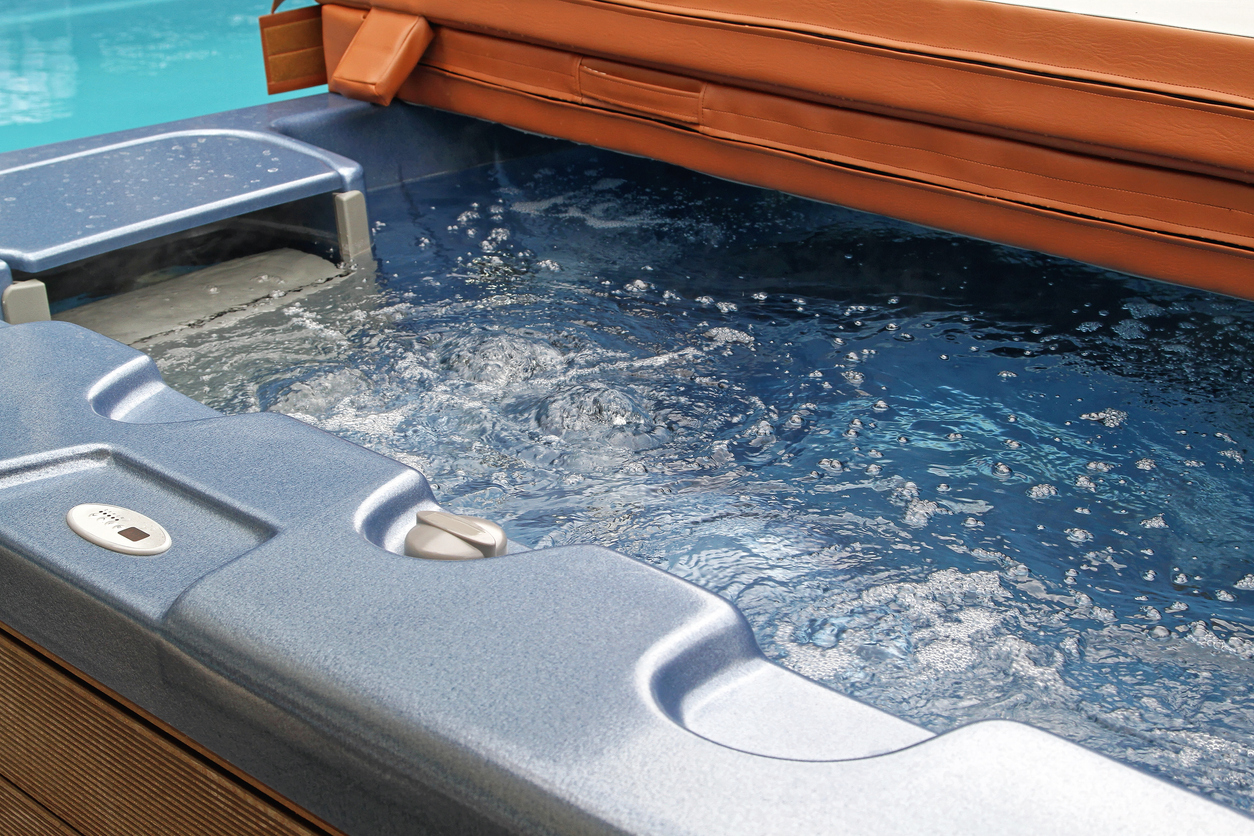
When strong winter storms move through Vancouver, spa owners often face a frustrating mix of windblown debris, overflowing water levels, and sudden temperature drops. Between the Columbia River gusts, cold air funneling in from the Gorge, and steady December rain, even well-maintained spas can experience issues overnight. Knowing what to check immediately after a storm helps prevent lasting damage, expensive repairs, and heat-loss problems that linger for days or weeks.
This winter storm recovery guide is designed specifically for homeowners in the Vancouver and greater Portland metro region—where storms are wet, windy, and unpredictable, but not quite cold enough for full winterization. Here’s how to assess your spa safely and efficiently after a storm moves through.

Step 1: Check Water Level and Overflow Points
Heavy rain is the norm in Vancouver’s December storms, and spas can overflow quickly. While overflow itself doesn’t usually damage a spa, it can create equipment risks if water drains into electrical components.
What to Look For
- Water levels above the skimmer line
- Standing water near the equipment pad
- Waterlogged spa cabinets
- Damp ground around plumbing or electrical conduits
What to Do
If the water level is too high, drain a few inches using the spa drain valve or, if available, your spa’s auxiliary pump-out feature. Maintaining the correct level ensures your skimmer and heater operate properly.
If standing water has pooled near equipment, avoid running the system until everything dries or a professional evaluates it.

Step 2: Remove Windblown Debris Immediately
Vancouver storms often blow in fir needles, cedar sprigs, leaves, twigs, and even rooftop debris after heavy gusts.
Why Debris Is Dangerous
- It clogs your filters
- It disrupts water flow
- It can cause heater shutoffs
- It introduces contaminants that spike chlorine demand
Recovery Steps
- Skim floating debris from the surface.
- Remove any debris stuck behind the pillows or floating near jets.
- Check that nothing is covering intake areas or skimmers.
A quick top-down cleanup prevents filtration strain during the first post-storm heating cycle.

Step 3: Inspect Your Cover for Damage
Your spa cover protects your water from heat loss during cold December nights, but wind-driven rain and debris can weaken it.
Storm Damage Signs
- Warping or sagging sections
- Loose or broken straps
- Tears in the vinyl
- Waterlogged or heavy cover cores
- Moisture trapped in seams or stitching
What to Check
Lift the cover: if it feels heavier than normal or uneven, water may have entered the foam core. This reduces insulation, causes heat-loss issues, and increases heating costs.
A compromised cover may need an immediate replacement to prevent ongoing heat loss. For professional support, explore spa cleaning and maintenance services.

Step 4: Reset the Spa After a Power Outage
Winter storms in Vancouver frequently cause flickers or full outages. Even a short drop in power can reset your spa system.
After Power Restores:
- Confirm the spa has restarted
- Check if the heater is actively running
- Verify filtration cycles are correct
- Make sure the temperature setting didn’t revert
- Look for any flashing error codes
If the spa will not restart, contact pool and spa repair services right away. Electrical interruptions can expose existing issues like weak sensors or tripped GFCIs.

Step 5: Rebalance Water Chemistry
Storms often bring organic material, dirt, and diluted water chemistry.
Post-Storm Testing Priorities
- pH (stormwater tends to lower it)
- Alkalinity
- Sanitizer levels
- Calcium hardness
- Total dissolved solids
Why Chemistry Matters After a Storm
Stormwater introduced into your spa:
- Increases bacteria and organic contaminants
- Overworks your sanitizer
- Can cloud the water
- May irritate skin
Bring levels back into balance to protect your heater, jets, and surfaces. If water clarity is affected, shocking the spa may be necessary.

Step 6: Clean or Replace Your Filter
Filters handle the majority of post-storm debris and contaminants. Even a small storm can overload them.
When to Replace
Replace the filter if:
- You see tears or fraying
- The pleats feel “matted” or stiff
- It emits a strong odor
- Cleaning doesn’t restore water pressure
If you’re unsure which filter you need, Rose City Pool & Spa can assist during your next pool service near me visit.

Step 7: Inspect Spa Cabinet, Panels, and Insulation
Strong wind and debris can knock panels loose or allow cold wind to enter the cabinet.
What to Check
- Gaps or rattling panels
- Moisture inside the cabinet
- Unexpected cold spots on the spa exterior
If cold air is reaching internal plumbing, temperature loss will increase dramatically. A technician can reseal or secure your cabinet panels for winter performance.

Step 8: Evaluate for Freeze Risk (Especially After Overnight Lows)
Though Vancouver winters are generally mild, overnight dips into the 20s can occur after storms.
Freeze Danger Signs
- Slow-to-heat water
- Unresponsive jets
- Odd gurgling noises from the pump
- Ice around plumbing near the ground
Running your spa immediately after a storm helps warm internal plumbing. Still, if you see ice buildup, do not force the system—call for professional assistance.

When to Call a Spa Expert After a Storm
Contact Rose City Pool & Spa if you notice:
- Water that won’t heat
- Repeated error messages
- Leaks at plumbing joints
- Persistent cloudy water
- A cover too waterlogged to lift
- Suspected freeze damage
- Electrical issues after an outage
Storm damage often worsens over time, so early intervention is key to protecting your equipment and keeping your spa winter-ready.

Stay Ready for Vancouver’s Winter Storms
Vancouver’s December storms are unpredictable, but with the right steps, you can keep your spa clean, warm, and safe all season. For tune-ups, inspections, or emergency support, Rose City Pool & Spa provides expert hot tub/spa and pool care throughout winter—so your system stays reliable even during the roughest weather.
