
As December settles into Portland, pool owners begin asking the same seasonal question every year: “Can I turn off my pool system for the winter?” With the Pacific Northwest’s mild climate, it’s understandable why homeowners consider cutting power to pumps and reducing maintenance. Unlike colder parts of the country, Portland rarely experiences deep freezes, and continuously running equipment feels unnecessary when the pool isn’t being used for swimming.
But shutting your pool system down can create avoidable problems—some of which become expensive by spring. This guide breaks down everything a Portland homeowner needs to know about winter pool circulation, filtration, freeze protection, and when it’s safe (or unsafe) to reduce system operation.

Why Portland’s Climate Makes Pool Shutdown Confusing
Portland winters are mild enough that fully winterizing a pool isn’t always necessary, yet cold enough to risk freeze damage under certain conditions. Homeowners in neighborhoods from Laurelhurst to Sellwood to the West Hills often face:
- Sudden overnight cold snaps
- Consistent rain, which dilutes water chemistry
- Windstorms that introduce debris
- Short, dim days that slow natural heating
- Temperatures hovering between 32–45 degrees
The mix of moisture, fluctuating temperatures, and storm debris means your pool system benefits from at least partial operation throughout December.

What Happens If You Turn Off Your Pool System Entirely?
Stagnant Water Leads to Algae Growth
Even in winter, algae spores remain active. If your pump is off for days or weeks, water stops circulating and sunlight (even weak winter sun) allows algae to bloom.
Filters Become Overloaded By Storm Debris
Portland’s heavy rain and frequent windstorms introduce:
- Fir needles
- Maple leaves
- Moss
- Dirt runoff
- Roof debris
Without system movement, debris collects on the surface and sinks—making cleanup harder come spring.
Equipment Risks Freezing
While Portland doesn’t freeze deeply, December cold snaps can push shallow plumbing and exposed equipment below freezing. Any standing water in pump lines, heaters, or filters can freeze, expand, and cause cracks.
Water Chemistry Becomes Unbalanced
Rainwater decreases pH and alkalinity. Without circulation, chemicals distribute unevenly, creating:
- Etching on plaster
- Scale formation
- Premature liner wear
- Corrosion on metal components
These issues often surface in March when homeowners reopen their pools and discover unexpected repairs.

When You Should Keep Your Pool Running in Portland
After Major Rainfall
Stormwater changes water balance and introduces contaminants. Running your pump after heavy rain prevents acidic water from harming surfaces and equipment.
During Overnight Freeze Warnings
Portland’s freeze warnings, especially in eastside neighborhoods closer to Gresham, present real risk. Running the pump keeps water moving and helps prevent ice blockages.
When Trees Are Shedding
If your pool sits under or near:
- Bigleaf maples
- Cedars
- Conifers
- Oregon ash
- Birch
…it will continue collecting debris into December and even early January. A circulating system prevents buildup.

Ideal Pump Schedules for December in Portland
Option 1: Recommended (Energy-Efficient)
Run your pump 4–6 hours per day, ideally split between morning and afternoon.
This provides:
- Freeze protection
- Debris circulation
- Chemical distribution
- Lower energy bills than running 24/7
Option 2: Enhanced Protection
Run your pump 8–12 hours during periods of:
- Storm activity
- Heavy leaf shedding
- Consecutive freezing nights
Option 3: Smart Automation (Best for Long-Term Health)
If your pool has a modern controller or variable-speed pump, set freeze protection to activate automatically when temperatures drop below 36–38 degrees.

What About Shutting the System Down Completely?
You can temporarily shut your pool down if:
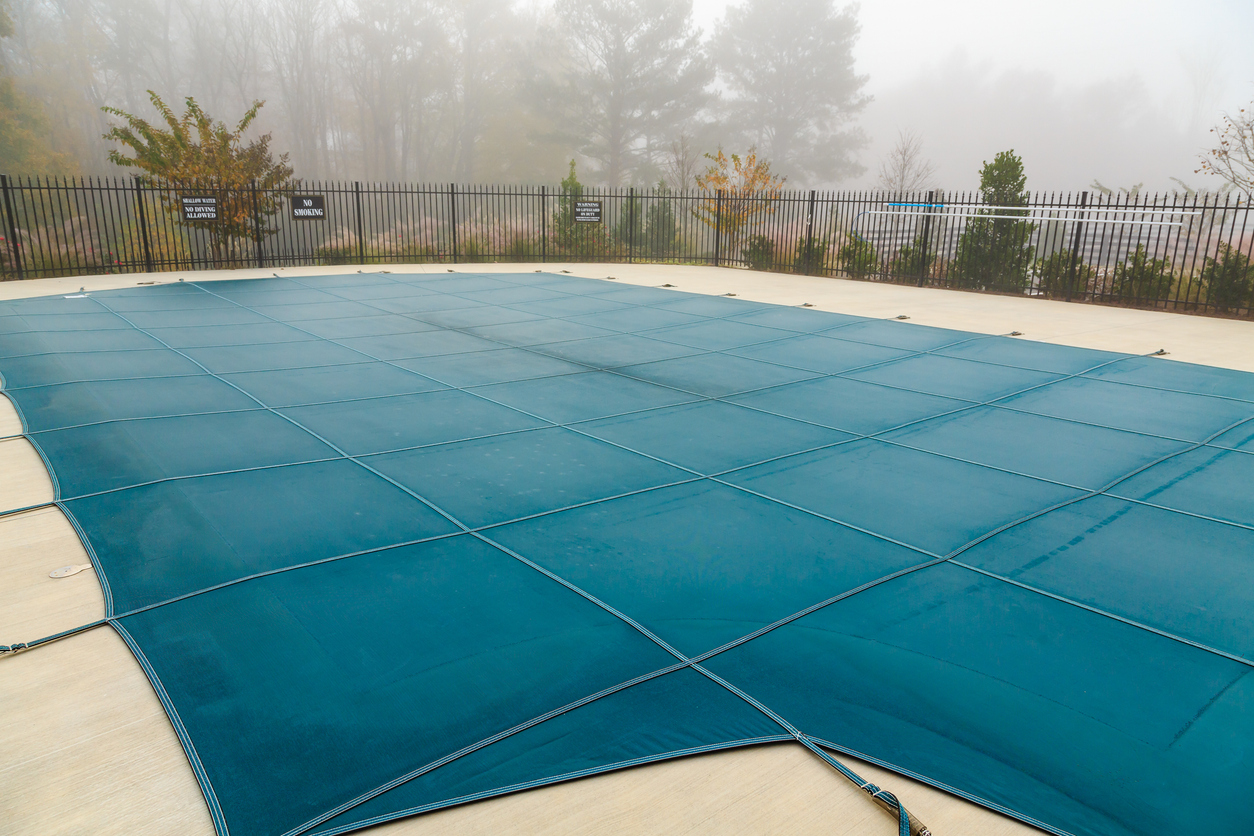
- You have a solid winter cover
- You’re willing to manually remove debris
- You continue chemistry checks at least twice per month
- Your pool has minimal tree coverage
- There are no freeze warnings
Even then, shutting down for more than a few days increases the risk of water stagnation and surface issues.
If you’re unsure whether your pool qualifies, contact Rose City Pool & Spa for a winter inspection.

Winter Maintenance Tips to Protect Your Pool and Save Money
Keep Your Water Chemistry Balanced
Even in winter, aim for:
- pH: 7.4–7.6
- Alkalinity: 80–120 ppm
- Chlorine: 1–3 ppm
Cold water slows chemical reactions, but rainwater destabilizes them.
Use a Leaf Net If You Have Heavy Tree Coverage
A simple net system prevents clogging your skimmer and reduces the required pump time.
Check Your Skimmer and Pump Basket Weekly
December winds blow in pine needles and debris that quickly clog baskets. Clean baskets allow pumps to run efficiently with less strain.
Keep Water Levels Normal
Because winter rain fluctuates water levels, make sure:
- Skimmers stay clear
- Pumps aren’t pulling air
- Pool drains stay fully submerged
Schedule a Winter Tune-Up
Routine professional care through pool service near me ensures circulation, chemistry, and components stay in good condition.

When to Call a Professional
Contact a technician if:
- Your pump makes unusual noise
- Your water won’t stay balanced
- You suspect freeze damage
- Your filter pressure spikes
- Your system shuts off unexpectedly
- You’re unsure how long your pool can safely stay idle
If your pool needs repair before the coldest part of winter arrives, visit pool and spa repair services for immediate support.

Keep Your Pool Safe, Clean, and Running Smoothly This Winter
Your pool is an investment, and in Portland’s unpredictable climate, the safest approach is strategic winter operation—not full shutdown. If you need help setting your winter pump schedule, adjusting chemistry, or preparing for storms, Rose City Pool & Spa is here with expert hot tub/spa and pool service all season long.
